AMP it up
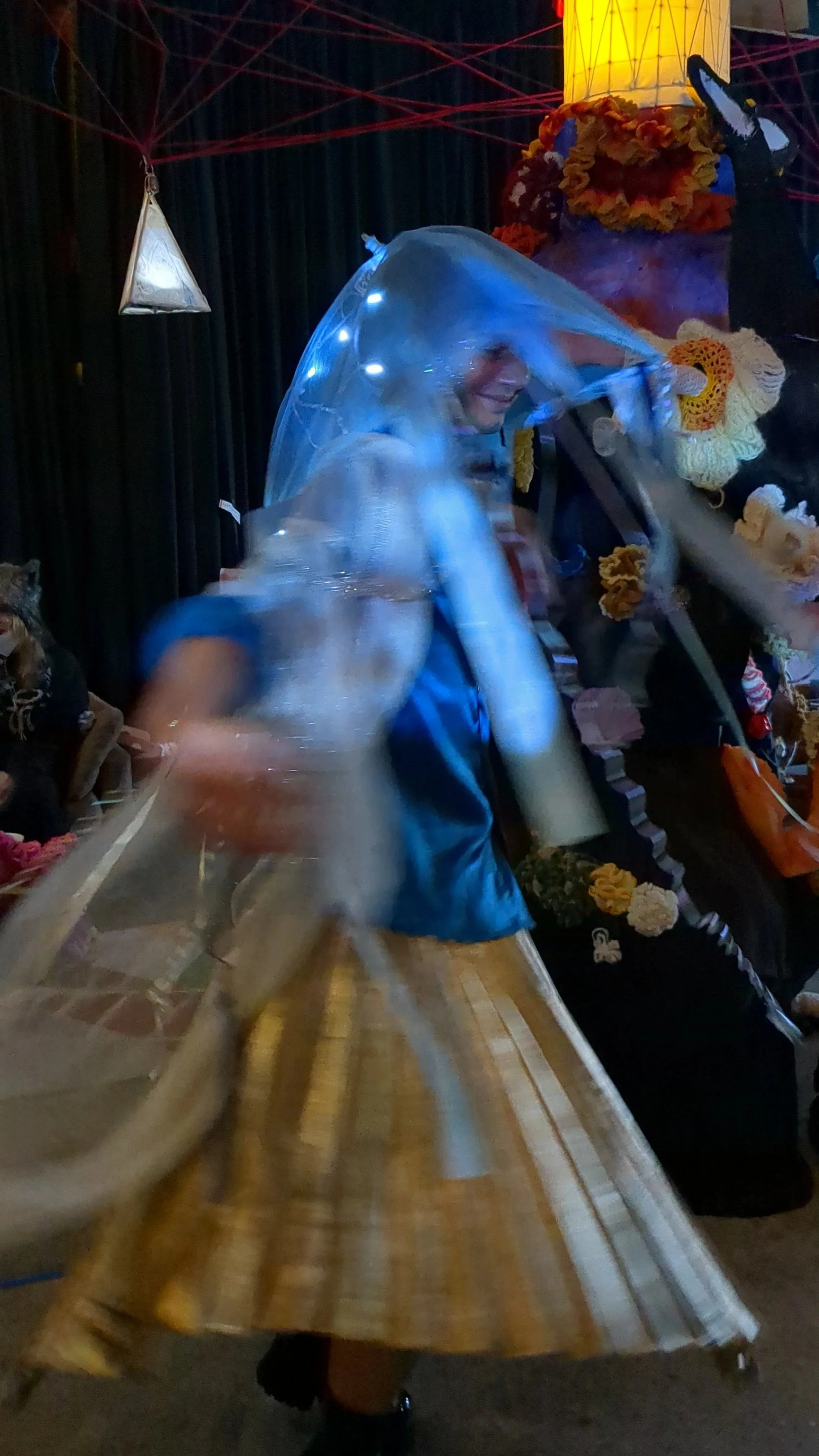
Jay as a Jelly Fish
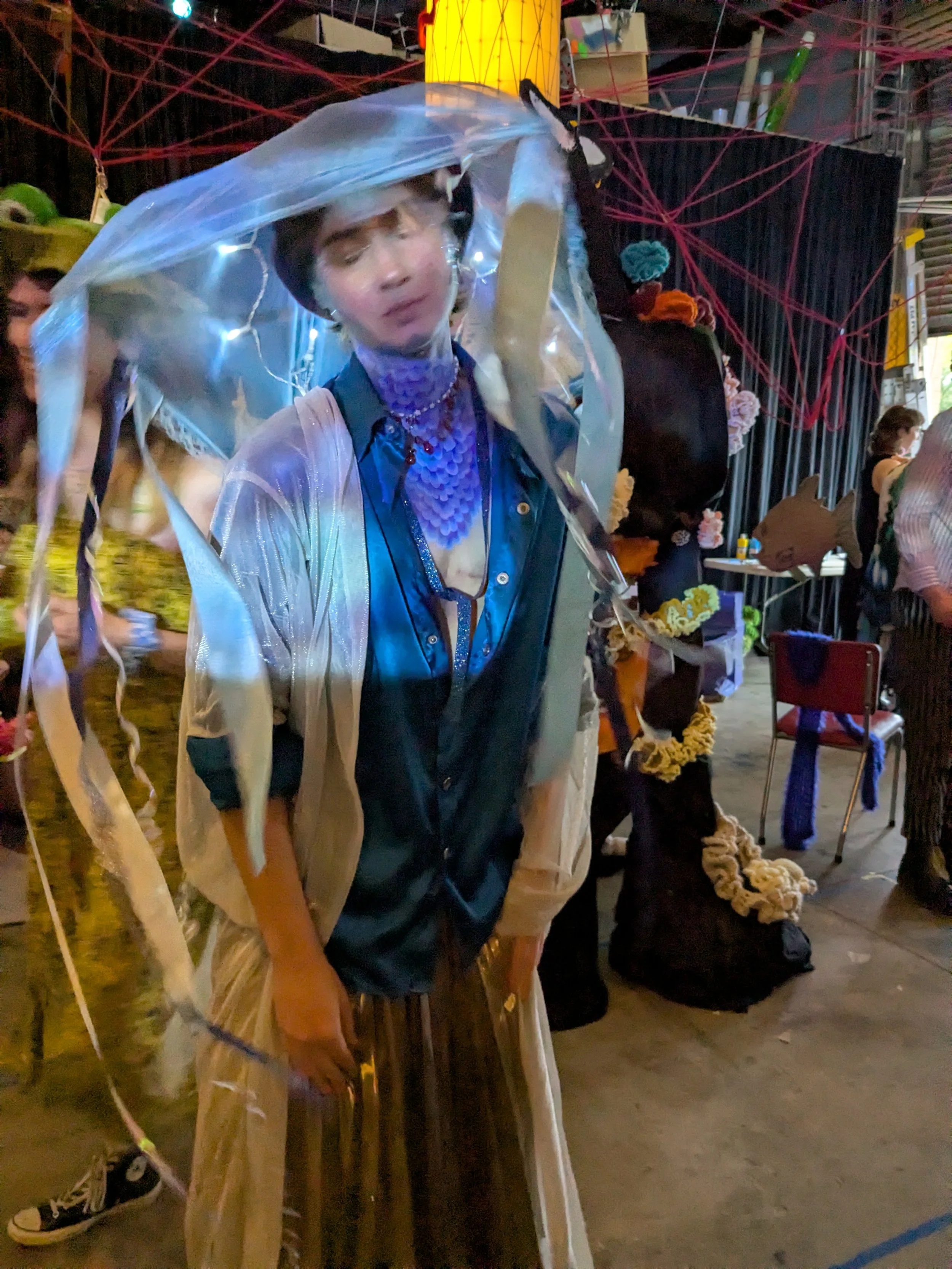
Jay
Jay
Jay
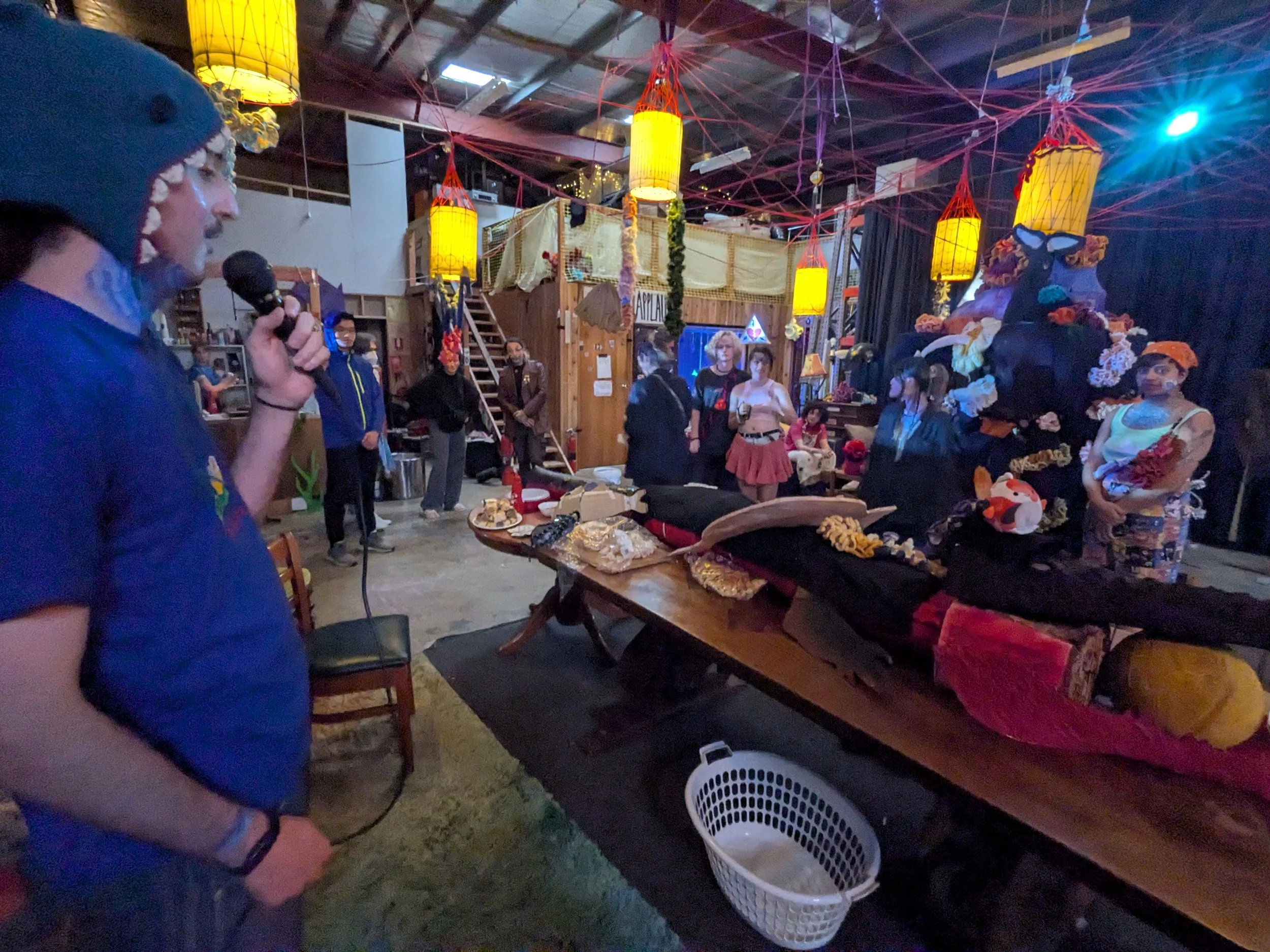
Hayden before the celebration meal
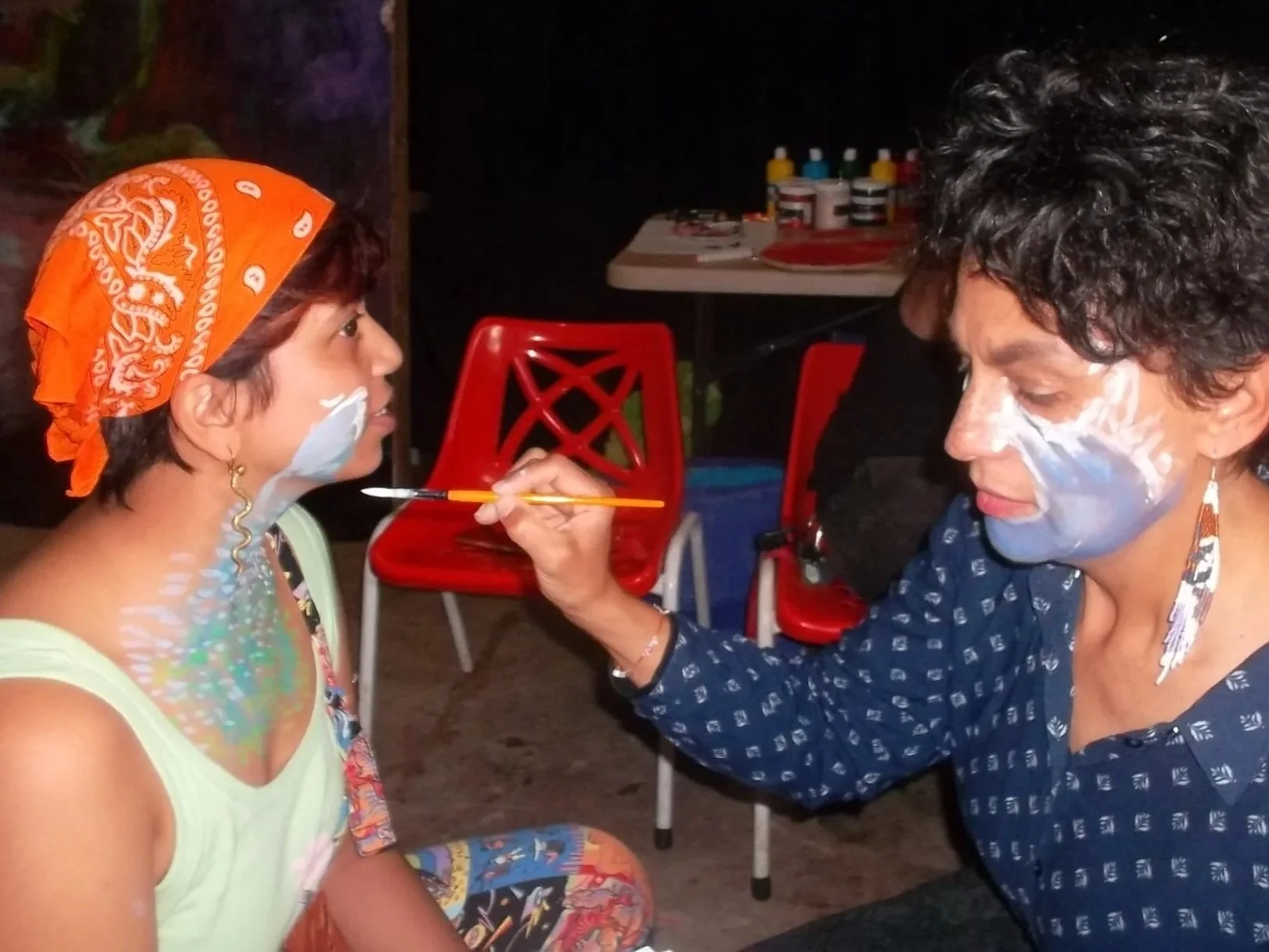
Phoenyx and I
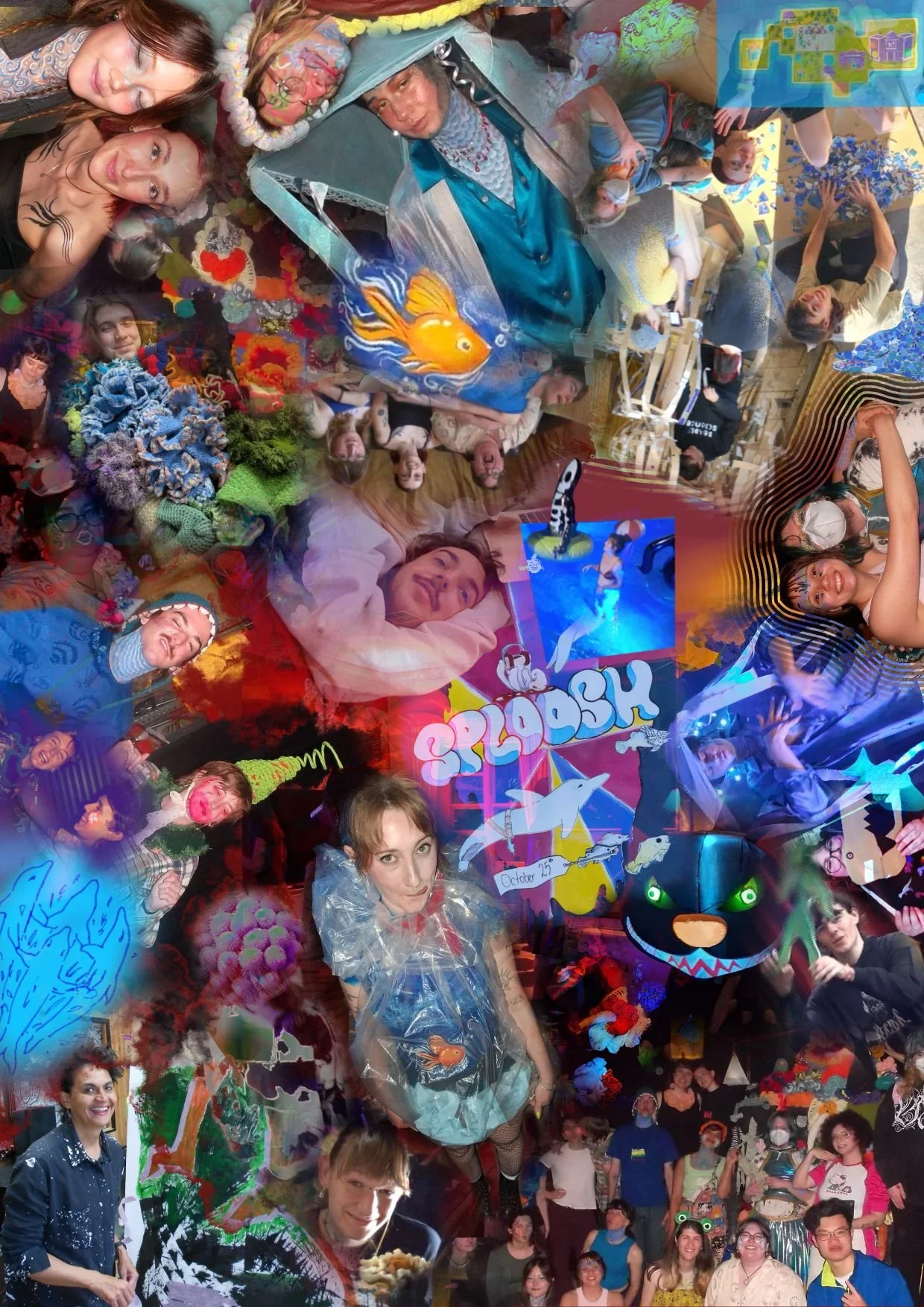
Photo montage by Shannon
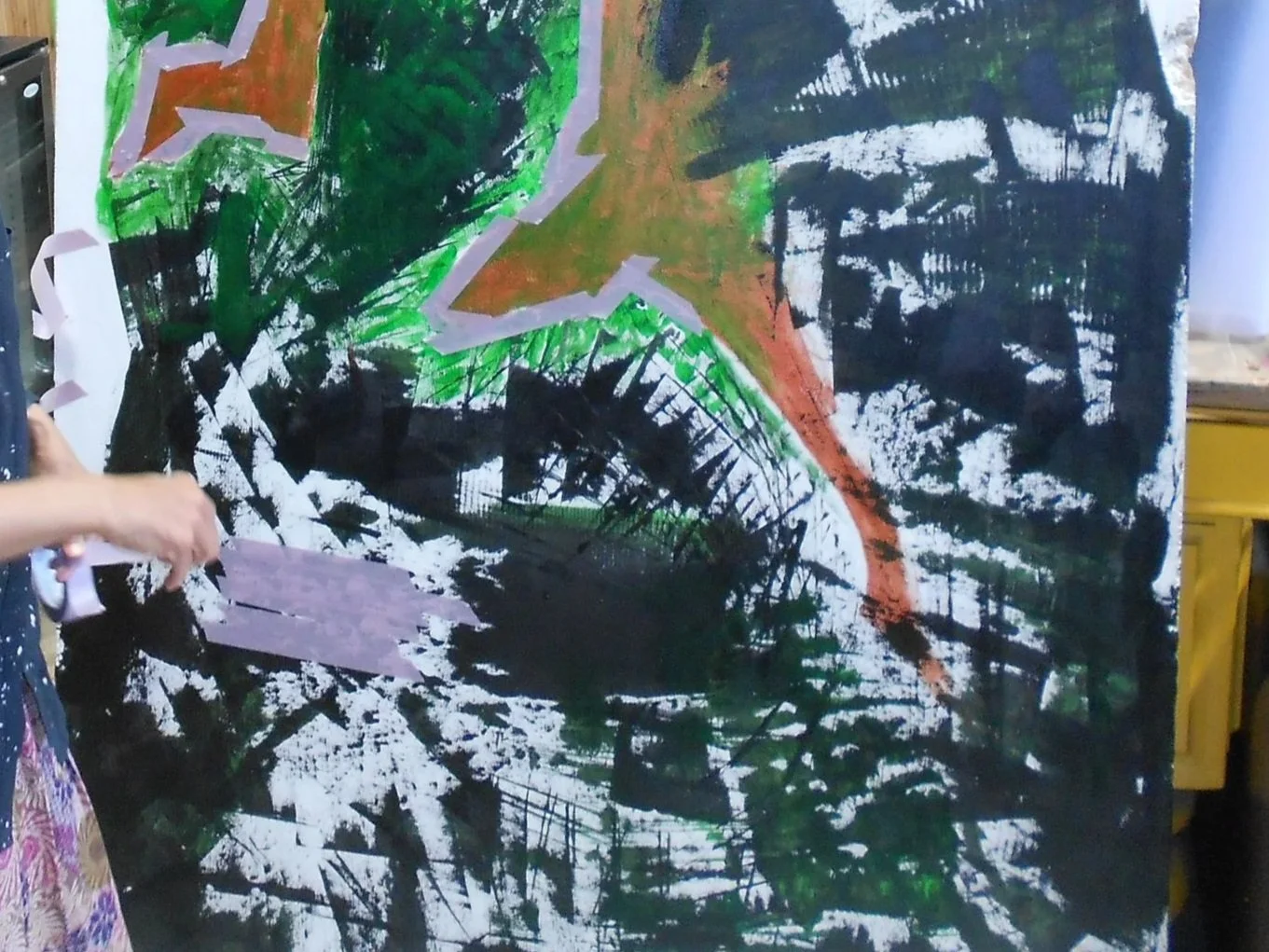
Photo: Willow H
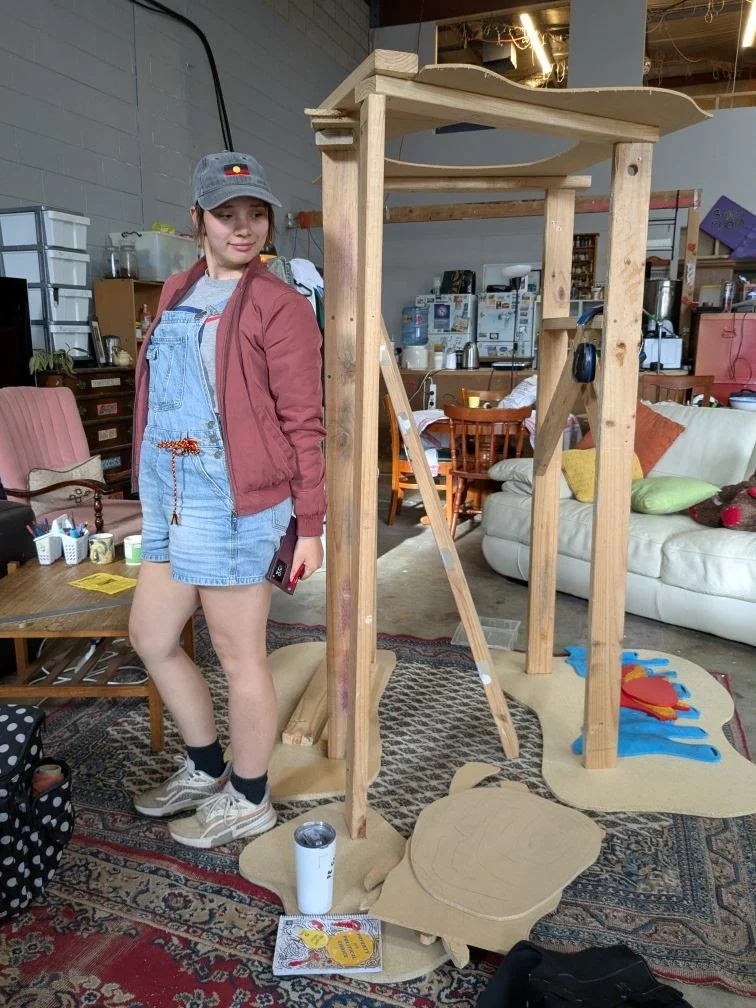
Nadia
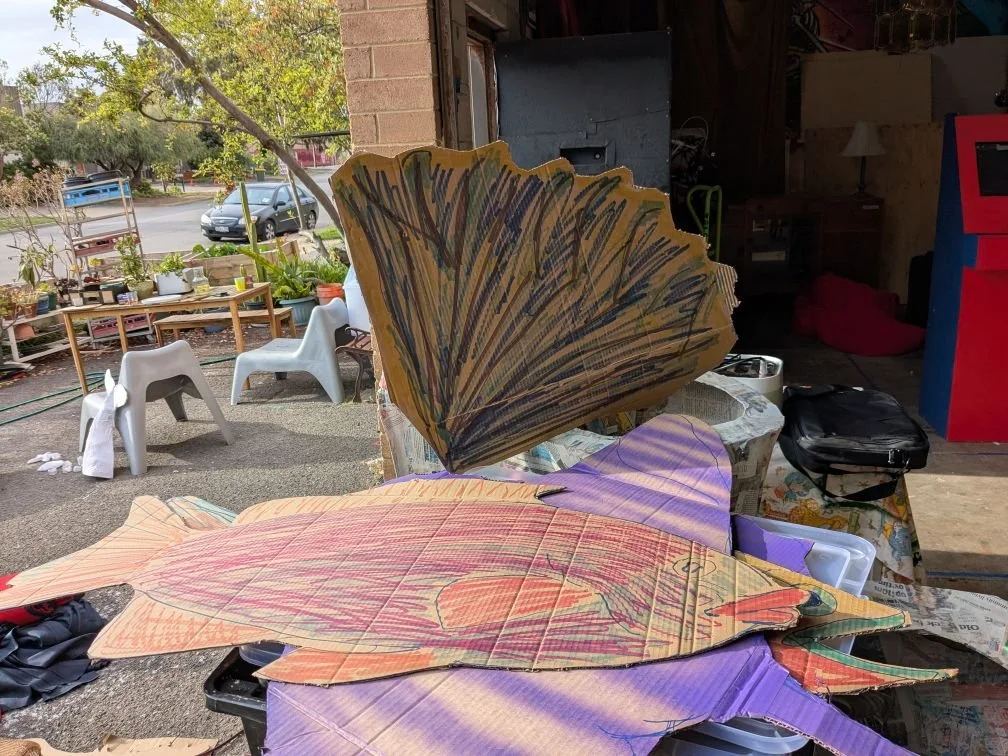
Art has the astonishing potential to build community through empathic social interactions, Suzi Gablik wrote in her Conversations Before the End of Time, and yet society, even in the face of a climate catastrophe, continues to herald the status of the lone (and genius) artist making art for the market.
I have been trying, and stumbling as I go, to abandon principles of art I was schooled in, seeking instead, to embrace what Jungian, James Hillman did, questioning the individualistic ontology (philosophy of existence and being) that is the silent faith of psychotherapy and art.
I increasingly doubt the values of modern art but admit wavering between a visual language of traditional forms (painting, drawing, sculpture, aiming for the market) as a solo practitioner, into a practice that is more interactive , collaborative and dialectical in nature (performance, forums, Interplay, workshops).
Embedded in modernism is a subtle and far-reaching message concerning the loneliness and isolation of the self. It persists even as rates of loneliness and social isolation increase. There are participatory and dialogical practices that can help us step outside an individual frame of reference; processes that invite others into a creative circle for active and impassioned engagement. I believe it is SO much more important during times of social dislocation and change.
The Arts Music and Performance (AMP) program (the second, held in mid 2025) is one form of this social and participatory engagement. Housed in the Rewind warehouse in Adelaide’s northwest, and founded (and largely led) by Gilbert G, it challenges the status quo.
I got involved in AMP because I was attracted to the values and processes behind it - as described on its website: collaborative, social and conscious of the environment. Gilbert reflected: “The approach of AMP was to work together without known outcomes.” The processes were about “bringing people together to be social and have fun.”
AMP members met there each Saturday for 12 weeks ‘to make stuff’ and get to know each other, culminated in a low-key evening focused on showing work made collaboratively and sharing a potluck meal together.
The broad theme of this program was the ocean, in the context the ongoing climate-induced harmful algal bloom, which in 2025 (and beyond) devastated South Australia’s coastline.
I was definitely the oldest participant, but I was committed to rocking up each week as a leap of ‘small f’ faith, for shared-learning with people in the age range of my own children, trusting that I could suspend judgements, and they could, of me (Age is a physical reality, but it’s also a mindset. Eldership can be two-way, between the young and not so young).
The vibe was relaxed and open. Gilbert set a generous tone.
I loved the initial activities that brought the ocean theme to life. They felt embodied, not at all in the head. I moved like a whale. We made noises in unison. There was solidarity with nature as it groans. There were moments of play, which is what I crave in a world that feels so lacking in playfulness, abandon and happy surrender.
There was a rhythm to the Saturday gatherings: check-in, make, eat, make, reflect, divvy up tasks for the following week. There were lots of big ideas for the program, and over the weeks, the ideas narrowed in tune with waning energy levels and busier lives (pro-Palestinian protests and fundraisers).There was a clear moment when the group decided that the end-of-program event would have a life-affirming arc and be lower-key. It took the pressure off. My offering, ‘let’s face paint’ was in the ebb and flow mix that made up the program’s final and loosely-woven event. That felt good.
One of the many challenges of our time is taking an embodied stance on an issue without being exclusionary. It was a space for many who identify as queer. I felt quietly stretched as connections were made and creativity took maleable forms.